In international logistics, there is a widely held assumption:
that all operations are handled in the same way.
An origin, a destination, and transport.
But in practice, not all companies have the same needs or operate at the same level of complexity.
While some manage occasional shipments and relatively simple structures, others operate in environments involving multiple countries, specific regulations, tight deadlines, or goods that require special conditions.
In these cases, logistics stops being just transport.
And starts to require something more.
Not All Companies Need the Same Type of Logistics Support
One of the most common mistakes is assuming that all logistics providers deliver the same value.
The reality is that the type of support required depends directly on how each company operates.
For example:
- Industrial companies exporting machinery or components
- Manufacturers selling across multiple international markets
- Food industry companies with specific sanitary requirements
- Pharmaceutical or healthcare companies
- Operations linked to industrial projects
- Businesses working with Just-in-Time models
In all these cases, transport is only one part of the process.
The difference lies in everything that happens before and after.
What Kind of Needs Arise in These Operations
As a company grows internationally, variables begin to emerge that are not always visible at the beginning:
- Coordination across different countries and stakeholders
- Market-specific regulatory requirements
- More complex documentation management
- The need to meet very precise deadlines
- Special transport conditions (temperature, handling, dimensions)
- Dependencies between different stages of the operation
What Logistics Services These Companies Typically Need
In this type of operation, logistics services are not used in isolation, but in combination, depending on the needs of each shipment.
Among the most common:
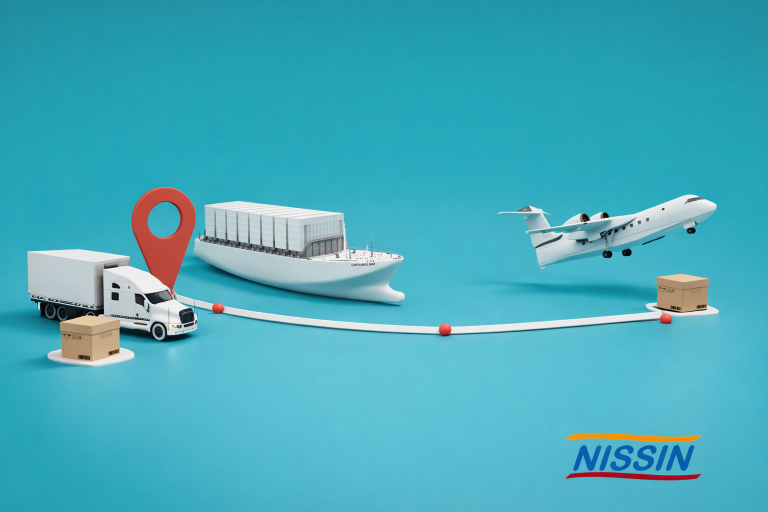
🚢 International Sea Freight
For intercontinental operations and larger volumes, where cost and planning play a key role.
✈️ International Air Freight
When timing is critical or goods require fast transit.
🚛 Road and Rail Transport
Especially relevant in European operations or multimodal combinations.
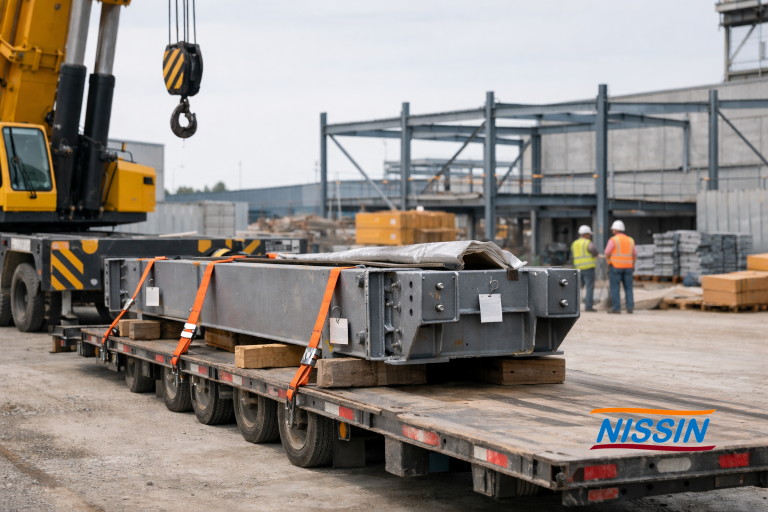
🏗️ Special Projects and Oversized Cargo
When goods require technical planning, specific permits, or coordination beyond standard processes.
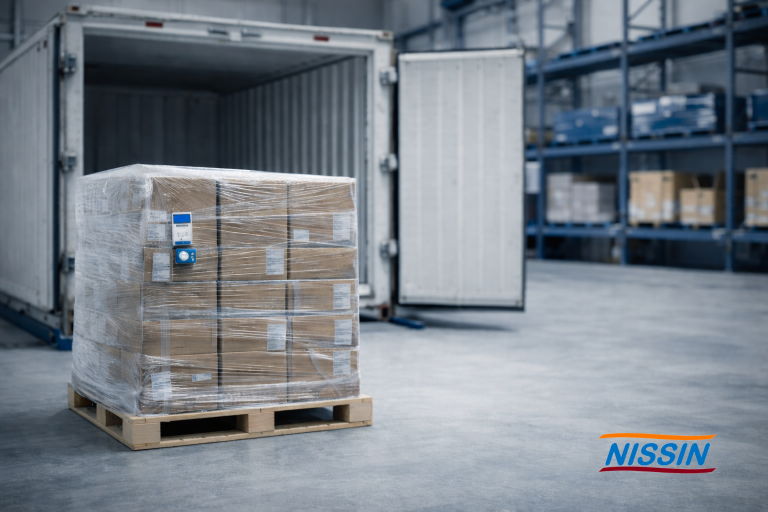
❄️ Temperature-Controlled Logistics
Essential in sectors such as food and pharmaceuticals, where deviations are not acceptable.
📦 Warehousing and Customs Management
Key to coordinating international operations with greater control and reducing border issues.
The value is not in offering all these services.
It lies in knowing when and how to use them.
What These Companies Are Really Looking For
When logistics operations become more complex, companies are not just looking for transport.
They are looking for:
- Coordination between all involved stakeholders
- Clarity in responsibilities
- Knowledge of each market’s requirements
- The ability to anticipate problems before they arise
- Clear communication throughout the entire operation
In this context, logistics stops being an isolated function and becomes part of the core business.
The Role of an International Logistics Partner
A logistics partner does not replace the exporter or importer.
But it does act as a coordinating element in operations involving multiple variables.
Its role is to:
- organize information
- align all involved parties
- structure the operation
- and support execution
It’s not just about moving goods.
It’s about ensuring that everything around the transport is properly defined.
The Nissin Transport Spain Approach
At Nissin Transport Spain, we work with companies operating in multiple international markets that need more than just transport.
As part of Nissin Group, we are involved in operations that require coordination across countries, specific transport requirements, and logistics needs that go beyond the standard.
Our approach is based on:
- understanding the full operation
- adapting services to each need
- coordinating all elements of the operation
- and providing visibility throughout the entire process
Not all companies need this type of support.
But when logistics begins to have a direct impact on the business, having the right partner makes a difference.
As a company grows internationally, its logistics also evolve.
What was once sufficient may no longer be enough.
And what seemed like a standard operation may begin to require coordination, judgment, and more advanced planning.
At that point, the question is no longer:
“How do we move this shipment?”
But rather:
“How do we ensure the entire operation runs smoothly?”
If you are operating in multiple international markets or evaluating how to adapt your logistics to a new level of complexity, we can help you analyze your operations and identify the type of support you need. Contact us.
Because in international logistics, not all companies need the same thing.
But when they do, it’s important to get it right from the start.